As a field sales rep, your day is packed with meetings, calls, and opportunities to build customer relationships.
But let’s be honest:
Staying organized and productive while on the go isn’t always easy.
Without access to the right tools, it’s hard to keep up with your pipeline, manage follow-ups, or respond to prospects in real time.
What is the right tool? It's a mobile CRM.
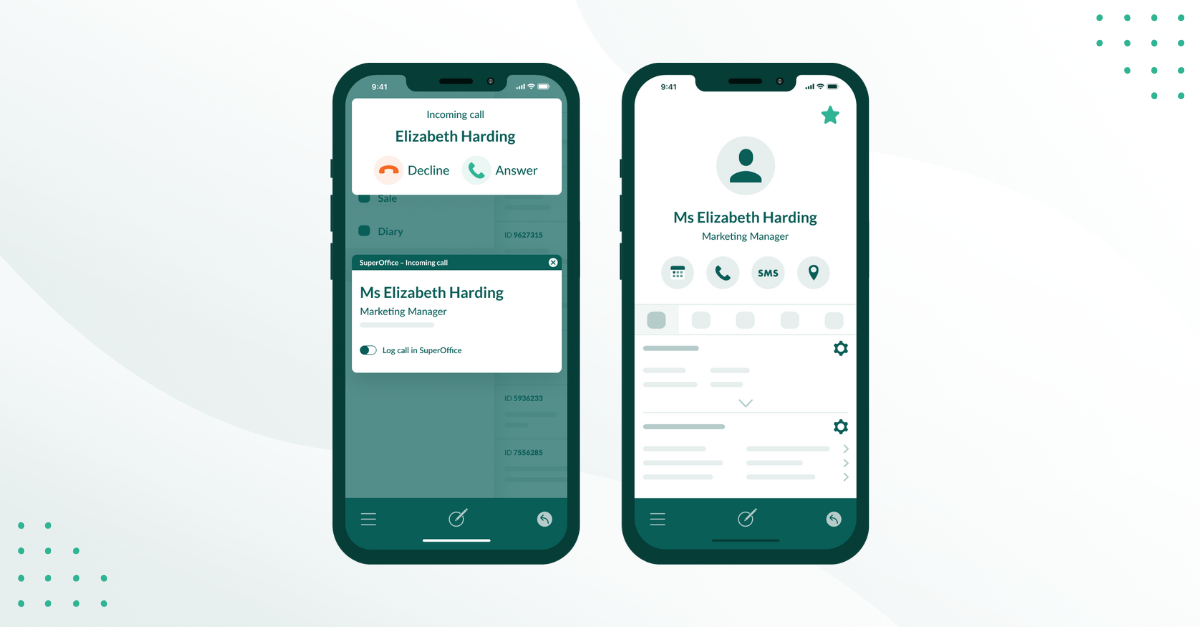
By putting all the tools and data you need right in your pocket, mobile CRM empowers you to stay connected, streamline your sales workflow, and focus on what you do best - closing deals.
In this article, we’ll dive into how mobile CRM transforms the way you work and helps you deliver better results.
The challenges of field sales without mobile access
You know how frustrating it can be to scramble for information before a meeting or try to remember key details after a long day. Without mobile access to your CRM, you may face:
- Missed opportunities: Forgetting to log meeting notes or follow-ups while traveling.
- Disorganization: Struggling to locate key customer details in emails or scattered notes.
- Wasted time: Spending hours on admin tasks once you’re back at the office.
- Delayed communication: Waiting too long to update colleagues or respond to customer inquiries.
These challenges slow you down and make it harder to sell. But with mobile CRM access, you can overcome these roadblocks and focus on sales.
How mobile CRM access transforms your workday
1. Access customer information anywhere
Picture this:
You’re heading into a meeting, and all the details you need - contact info, past interactions, and deal status - are right at your fingertips.
With mobile CRM, you can:
- Instantly review customer history before a call or meeting.
- Tailor your pitch based on the customer’s specific needs and preferences.
- Feel confident walking into every interaction fully prepared.
When you have a complete view of your customer on your phone or tablet, you can deliver a personalized experience that builds trust and strengthens relationships.
2. Update your CRM in real time
You’ve just wrapped up a successful meeting - don’t wait until you’re back at your desk to log what happened. Mobile CRM lets you:
- Qualify leads faster by capturing key information instantly.
- Schedule follow-ups on the spot to keep the momentum going.
- Update deal stages in real time, so your pipeline stays accurate.
With real-time updates, you’ll save time and ensure your CRM always reflects the latest information. Plus, your team stays aligned and up-to-date.
3. Stay responsive to customers
Your customers expect timely communication, and mobile CRM makes it easy to deliver.
For example, you can:
- Respond to customer inquiries or send follow-up emails between appointments.
- Share proposals, quotes, or documents with a few taps.
- Answer questions confidently by accessing key details during calls.
Being responsive shows professionalism and keeps deals moving forward, even when you’re on the road.
4. Collaborate seamlessly with your team
Field sales doesn’t mean working alone.
With mobile CRM, you can stay connected with your team no matter where you are:
- Track sales activities and share updates with colleagues instantly.
- Keep managers informed about your progress with automatic updates.
- Work closely with marketing by accessing a centralised customer database.
This level of collaboration ensures smooth handoffs, avoids duplicate efforts, and helps everyone stay on the same page.
5. Boost productivity with offline access
Even when you’re in an area without internet, mobile CRM keeps you productive. Offline functionality allows you to:
- Review customer data and meeting details without a connection.
This way, you can work without interruption, no matter where your day takes you.
“Sales people are always kept informed because they have access to SuperOffice CRM from their mobile app, and can see the arrangements made with the customer immediately.” - Vekoma Rides Manufacturing.
Mobile CRM tips for field sales teams
1. Use voice-to-text features
Typing out detailed meeting notes or logging interactions on your mobile device can be time-consuming, especially when you’re on the move. Voice-to-text features make this process faster and easier.
By simply speaking into your phone, you can:
- Record detailed meeting summaries in seconds.
- Log interactions or add important updates while driving to your next appointment.
- Save time without sacrificing accuracy or detail.
Expert insights: After every meeting, take a moment to dictate key takeaways, action points, and follow-up tasks into your mobile CRM. This ensures nothing slips through the cracks, and your updates are logged while the information is still fresh.
2. Set alerts and reminders
Staying on top of your follow-ups and deadlines is crucial for maintaining momentum with prospects and customers. Mobile CRM tools allow you to schedule automated alerts and reminders that keep you on track, no matter how busy your day gets.
These reminders can help you:
- Prioritize warm leads, improving your chances of closing deals.
- Prepare for upcoming meetings by prompting you to review customer details beforehand.
- Stay proactive by receiving notifications for important milestones like proposal deadlines or contract renewals.
Expert insights: Customize your reminders to align with your sales goals. For example, set recurring alerts to stay in contact with leads during long cycles or prompt yourself to send personalized follow-ups after every customer meeting.
3. Leverage GPS Functionality
Field sales often require traveling to multiple locations in a single day, which can be stressful to coordinate without a clear plan. GPS functionality within your mobile CRM takes the guesswork out of planning your route by allowing you to:
- Map out customer visits based on location, ensuring an optimized and time-efficient schedule.
- Identify nearby prospects or customers to make the most of your travel time.
- Get directions directly from your CRM to avoid delays and stay on time for appointments.
Expert insights: Before heading out, use your CRM’s location-based features to prioritize visits by proximity and importance. This helps you maximize your productivity and minimize wasted travel time.
Conclusion
It’s time to eliminate inefficiencies and start automating your sales process with mobile CRM.
From logging updates on the go to receiving real-time alerts and planning your day more efficiently, mobile CRM access ensures you’re always prepared, no matter where in the field you are.
If you’re ready to take your sales productivity to a new level, a mobile CRM is non-negotiable. It’s designed to help you adapt to the demands of modern sales, ensuring you’re always connected, informed, and one step ahead.
SuperOffice Sales helps you stay connected, manage your pipeline, and access crucial customer data anytime, anywhere.
Book a demo of SuperOffice CRM today to see how mobile CRM can transform the way you sell on the go!